Comprehensive Overview of Commercial Transport Recovery and Heavy Equipment Handling
Wiki Article
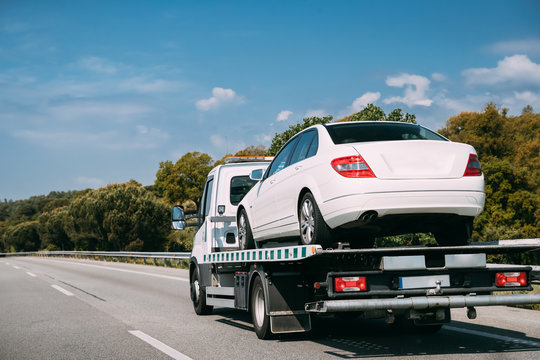
Operating large-scale machinery and commercial fleets requires continuous maintenance, precise planning, and access to responsive roadside assistance. Whether dealing with a stalled tractor-trailer, a fully loaded delivery rig, or construction machinery, securing reliable heavy duty towing services remains a vital requirement for fleet managers nationwide.
Modern fleet operators rely on professional recovery infrastructure to handle emergency roadside situations swiftly. Understanding the specialized mechanics behind commercial transport support empowers business owners to make informed logistics decisions.
The Operational Requirements of Large Vehicle Assistance
Fleet operators facing unexpected breakdowns benefit greatly from professional commercial towing solutions designed specifically for high-capacity loads. Key operational factors distinguishing large vehicle support include:
- Specialized Recovery Fleet Deployments: Using specialized under-lift equipment prevents axle and frame strain during transport.
- Weight Calculation and Axle Balancing: Proper positioning prevents tipping risks and preserves tires, suspension systems, and vehicle frames during transit.
- Rigorous Highway Safety Compliance: Rapid deployment minimizes traffic congestion and reduces the risk of secondary highway collisions.
Common Breakdown Scenarios for Large Transport Rigs
Long-distance highway haulers operate under grueling conditions, subjecting engine components, braking systems, and tires to extreme friction and heat. Below are common operational issues affecting commercial rigs on the road:
Pneumatic Brake System Failures:
Air brake compressions can fail suddenly due to line punctures, frozen moisture, or mechanical wear.
Power Transmission and Differential Failures:
High engine torque under heavy payloads generates substantial heat, leading to radiator ruptures or transmission failure.
Rollover Incidents and Off-Road Reclamations:
Rotator cranes use multi-point rigging systems to upright overturned trailers gently without rupturing cargo walls.
Tire Blowouts and Axle Damage:
High-speed blowouts on loaded trailers can destroy axle assemblies, steering mechanisms, and suspension linkages.
Step-by-Step Response Strategy for Fleet Managers
Relying on qualified heavy duty towing specialists guarantees that appropriate equipment is dispatched to the location instantly. Fleet management teams should implement the following response steps:
Driver Protocol during roadside Events
Driver safety remains the paramount priority during any highway emergency. Communicating accurate GPS coordinates and reporting cargo specifics helps dispatchers select appropriate commercial towing apparatus instantly.
Pre-Arrival Logistics and Load Security Practices
- Verify Load Conditions: Confirm whether cargo is hazardous, temperature-sensitive, or top-heavy to inform the incoming recovery team.
- Transmit Detailed Location Data: Share exact highway mile markers, cross streets, and directional lanes to speed up recovery arrival times.
- Document Visual Evidence: Capture images of vehicle positioning, road conditions, and structural damage for insurance records.
- Determine Service Facility Options: Establish designated repair facilities or fleet yards in advance to streamline post-recovery transport.
Navigating Compliance, Permits, and Highway Standards
Weight limits, permit requirements, and hazardous material regulations govern how disabled vehicles are moved along public roads. Key regulatory areas include:
State and Federal Weight Limit Permitting:
Moving combined vehicles exceeding standard weight limits requires special permits from transportation authorities.
Hazardous Material Handling protocols:
Accidents involving liquid tankers or fuel spills require specialized hazmat containment protocols.
Professional Industry Accreditations:
Certifications ensure mastery over complex winching mechanics, wire rope capacities, and safety rigging.
Final Assessment on Large Vehicle Recovery and Logistics
Maintaining modern supply chain efficiency requires dependable recovery infrastructure capable of clearing highway obstructions quickly. By understanding equipment capabilities, emergency protocols, and regulatory requirements, fleet operators can manage unexpected breakdowns with confidence.
Prioritize vehicle safety, maintain strict maintenance schedules, and rely on experienced recovery professionals to keep your business moving forward.
Report this wiki page