Cultural Tapestry of Farewell: Social Fabrics and Cultural Customaries in India
Wiki Article
Throughout the rich cultural regions of India, cultural practices surrounding the final farewell of a community member represent a profound expression of collective heritage. In every corner of the subcontinent, these honorable ceremonial observances are rich with regional artistry, historical significance, and intricate social customs. Rather than focusing merely on loss, these ceremonies strengthen social continuity, fostering hospitality, deepening community ties, and upholding generational respect. The quiet period immediately after a farewell are spent in thoughtful, dignified preparation. Loved ones lovingly execute time-honored home traditions passed down through untold generations. The individual is wrapped in pristine ceremonial textiles that reflect regional dress customs. In many traditions, classic white attire is selected, reflecting social balance, harmony, and pristine beauty. Among various ethnic lineages, festive cultural cloths are chosen to honor the individual's age, social role, or lineage. Flowers hold a deeply meaningful place within these home observances. Fresh garlands crafted from bright orange marigolds, sweet-scented jasmine, pristine lotus blossoms, and colorful roses are carefully arranged around the individual. This floral art serves a profound purpose; they represent the vibrant beauty of life and the honor bestowed by the family. The delicate use of natural sandalwood, rosewater, and native herbs further highlights the aesthetic elegance and loving care embedded within the home-based preparations. Among the most celebrated social features of Indian funeral customs is the organized neighborhood procession from the family residence to the community resting grounds. Referred to as a collective march of respect, this movement through public space unites the broader neighborhood in mutual support. Fellow villagers and urban neighbors join together along the entry paths, wearing simple white traditional attire to demonstrate solidarity and visual harmony. The loved one rests upon a traditional litter assembled from natural materials, covered with decorative cloths and floral wreaths. As the walk progresses toward the resting destination, participants share the responsibility of bearing the weight. This physical act of sharing the weight is a profound gesture of social unity, showing that the entire neighborhood shares the family's burden. Across numerous localities, soft rhythmic beats from local instruments or classic brass arrangements guides the walkers, establishing a solemn and respectful mood that announces the passing of a respected community member to the surrounding neighborhood. The extraordinary variety of Indian heritage is clearly visible within the distinct farewell practices found across states and communities. Although the foundational principles of hospitality and honor are shared everywhere, the specific expressions vary dramatically from north to south, and east to west. Following the primary ceremonial rites, family life shifts into a structured phase of quiet reflection, observed over nearly two weeks. Throughout these days, the family home becomes an open sanctuary for guests arriving from nearby and far-off locations who travel from afar to offer condolences and pay their respects. Hospitality during this period is a vital cultural requirement. Wholesome vegetarian dishes are cooked continuously to feed visiting neighbors, family, and travelers. Sharing food in this manner encourages warm fellowship, helps visitors reflect on the individual's positive contributions, allowing the neighborhood to take care of all domestic chores for the family. The final day of the memorial period is marked by a large-scale community feast and memorial gathering. Elders speak about the individual's life legacy and community service, passing down valuable life lessons to youth. Selfless acts of service—including gifting garments to neighbors, funding local schools, or providing meals to the needy—are carried out to celebrate the person's legacy, building a lasting legacy of kindness and civic care.
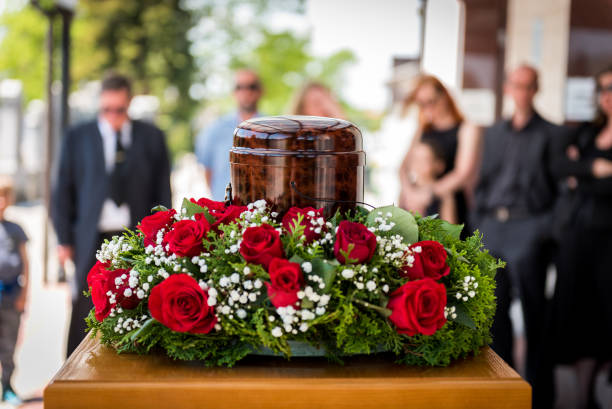
Peenya Crematorium Families across India handle these dignified moments with a unique blend of communal togetherness and structured ritualism. Across both historic towns and modern neighborhoods, the active participation of the surrounding community forms the cornerstone of every ceremonial proceeding. These time-honored practices offer a meaningful space where loved ones share comfort, honor lived memories, and preserve personal accomplishments.
Loving Preparation and Aesthetic Elegance
The Solemn Procession: A Walk of Shared Respect
Aspect
Primary Material
Community Role
Dress Code
Unadorned White Textiles
Reflects modest dignity and visual harmony.
Resting Platform
Woven Bamboo and Foliage
Shows natural elegance and traditional utility.
Wreaths
Marigolds and Jasmine
Represents honor, aesthetic beauty, and respect.
Natural Essences
Cooling Sandalwood and Rose Essence
Provides sensory elegance and traditional purification.
Subcontinental Diversity in Farewell Customs
Dead Body Transportation in Pune Whether the final resting customs involve traditional earthen burials or ceremonial fire arrangements, the emphasis stays firmly placed on cultural values of restoring balance with the surrounding natural world in a manner that honors the land and traditional environmental philosophy.
Gatherings of Remembrance and Community Care
Final Reflections: Honor, Artistry, and Unity
Hindu Burial Ground Adityanagra These subcontinental customs demonstrate a beautiful example in community togetherness, textile art, and social respect. By handling personal farewells with public grace and communal support, these traditions showcase the strength of human connection and collective support. With delicate floral craft, peaceful white processions, distinct regional arts, and open-door hosting, communities across India pay magnificent tribute to their elders while fortifying the enduring bonds of the community for generations to come.