Cultural Tapestry of Farewell: Cultural Traditions and Social Fabrics of Indian Funeral Customs
Wiki Article
Throughout the rich cultural regions of India, cultural practices surrounding the final farewell of a community member stand as a timeless testament to community devotion. Across every regional territory, these honorable ceremonial observances are rich with regional artistry, historical significance, and intricate social customs. Rather than focusing merely on loss, these practices establish a lasting connection, reinforcing family bonds, strengthening neighborhood networks, and preserving ancestral etiquette. The initial hours of the ceremonial gathering are spent in thoughtful, dignified preparation. Close relatives assemble to carry out customary washing and dressing passed down through untold generations. The individual is wrapped in pristine ceremonial textiles representing local artistic styles. In many traditions, classic white attire is selected, reflecting social balance, harmony, and pristine beauty. In other regional communities, traditional textiles featuring intricate patterns or specific cultural colors are used to mark a life full of accomplishment and honor. Fragrant floral arrangements play an irreplaceable role in these preparations. Fresh garlands crafted from bright orange marigolds, sweet-scented jasmine, pristine lotus blossoms, and colorful roses are presented by family members with deep affection. This floral art serves a profound purpose; they represent the vibrant beauty of life and the honor bestowed by the family. The delicate use of natural sandalwood, rosewater, and native herbs ensures an environment of supreme dignity, freshness, and cultural charm. One of the most visually striking and culturally significant aspects of Indian funeral customs is the ceremonial procession from the family residence to the community resting grounds. Understood as a public gesture of unity, this communal journey turns family sorrow into a dignified public tribute. Neighbors, extended relatives, and acquaintances gather outside the domestic residence, wearing simple white traditional attire to demonstrate solidarity and visual harmony. The loved one rests upon a traditional litter crafted from sturdy local bamboo, decorated with fresh foliage and bright flowers. As the walk progresses toward the resting destination, participants share the responsibility of bearing the weight. This hands-on participation represents a meaningful tradition of social unity, showing that the entire neighborhood shares the family's burden. In many regions, gentle instrumental music played on traditional flutes, drums, or bells enhances the journey, offering a graceful auditory backdrop that honors the individual's legacy within the public sphere. India's immense cultural diversity manifests clearly within the distinct farewell practices found across states and communities. Even as mutual respect and community participation stay identical throughout, the specific expressions vary dramatically according to regional heritage and local ancestry. After the main day of farewell, subcontinental tradition observes a dedicated period of domestic hosting, typically lasting between ten and thirteen days. In this dedicated period, the domestic residence serves as a welcoming venue for guests arriving from nearby and far-off locations who drop in to share comfort and honor the family. Receiving guests with warmth remains a top priority. Simple, nutritious vegetarian meals are prepared daily in large quantities to feed visiting neighbors, family, and travelers. This tradition of sharing meals fosters deep emotional connection, encourages the sharing of fond memories, allowing the neighborhood to take care of all domestic chores for the family. The final day of the memorial period is celebrated with an extended neighborhood meal. Senior relatives recount the person's life history, good deeds, and values, preserving family heritage for children and grandchildren. Selfless acts of service—like sponsoring student materials, sharing food with local shelters, or donating textiles—are traditionally performed in honor of the departed, building a lasting legacy of kindness and civic care.
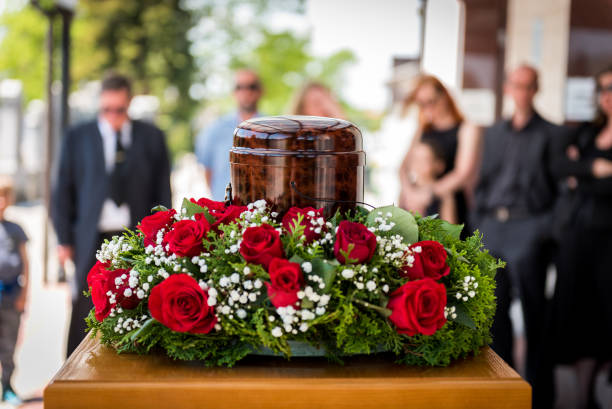
Dead Body Transportation in Hyderabad Families across India handle these dignified moments with warm hospitality and deep cultural devotion. Whether in quiet country settlements or dense metropolitan districts, the arrival of extended family and supportive neighbors underpins every step of the cultural farewell. These observances provide a structured cultural framework where loved ones share comfort, honor lived memories, and preserve personal accomplishments.
The Aesthetics of Preparation and Family Devotion
The Solemn Procession: A Walk of Shared Respect
Cultural Feature
Material Used
Community Role
Dress Code
Simple White Cotton Garments
Represents purity, equality, and shared grief.
Resting Platform
Woven Bamboo and Foliage
Reflects connection to nature and traditional craftsmanship.
Garlands
Marigolds and Jasmine
Represents honor, aesthetic beauty, and respect.
Natural Essences
Sandalwood Paste and Rosewater
Provides sensory elegance and traditional purification.
Regional Expressions of Honor
Sumanahalli Crematorium No matter if the community practices gentle earthen burial or ceremonial fire rites, the practice remains deeply rooted in local philosophy of offering the individual back to nature's elements in a manner that honors the land and traditional environmental philosophy.
Hospitality, Remembrance, and Social Continuity
Conclusion: An Enduring Legacy of Respect
Swarga Vatika Crematory Hyderabad These subcontinental customs demonstrate a beautiful example of social values, artistic traditions, and profound community solidarity. Through turning a time of loss into an honorable display of community unity, these practices highlight the power of family bonds and social networks. With delicate floral craft, peaceful white processions, distinct regional arts, and open-door hosting, this heritage celebrates the completed life of every member while fortifying the enduring bonds of the community for generations to come.