Honoring the Final Journey: Social Fabrics and Cultural Customaries in India
Wiki Article
Within the vibrant subcontinental heritage of India, traditions associated with honoring an individual's passing reflect a deep commitment to social solidarity. From rural villages to major cultural hubs, the rites dedicated to paying final respects demonstrate unmatched grace, historical roots, and mutual support. Moving beyond individual grief, these customs serve as a vital cultural bridge, uniting relatives, honoring elders, and passing down timeless values. The initial hours of the ceremonial gathering are characterized by meticulous cultural preparation. Family members gather to perform traditional preparation rituals that have been refined over centuries. The departed loved one is dressed in spotless traditional attire that reflect regional dress customs. In many traditions, classic white attire is selected, symbolizing quiet peace, dignity, and cultural simplicity. In other regional communities, garments with decorative embroidery or regional dyes are selected to celebrate an elder's wisdom and societal contributions. Flowers hold a deeply meaningful place throughout this artistic setup. Fresh garlands crafted from bright orange marigolds, sweet-scented jasmine, pristine lotus blossoms, and colorful roses are carefully arranged around the individual. This floral art serves a profound purpose; they represent the vibrant beauty of life and the honor bestowed by the family. The delicate use of natural sandalwood, rosewater, and native herbs ensures an environment of supreme dignity, freshness, and cultural charm. One of the most visually striking and culturally significant aspects of Indian funeral customs is the solemn walk of honor leading from the home toward nature's resting site. Known across various regions as a procession of honor, this peaceful walk along shared streets transforms private grief into a shared community event. Neighbors, extended relatives, and acquaintances gather in front of the family home, dressed in modest, unadorned traditional white clothing showing total unity, equality, and shared respect. The rested individual is borne on a handmade platform assembled from natural materials, covered with decorative cloths and floral wreaths. While the gatherers walk along the neighborhood paths, members of the community step forward to take turns carrying the frame upon their shoulders. This hands-on participation represents a meaningful tradition of social unity, showing that the entire neighborhood shares the family's burden. In many regions, the gentle chiming of bells and melodic flutes accompanies the procession, creating a rhythmic and dignified atmosphere that informs the local district of a completed life journey. India's immense cultural diversity manifests clearly in the local variations that mark each district's traditional customs. Even as mutual respect and community participation stay identical throughout, the visual and artistic details differ wonderfully according to regional heritage and local ancestry. Dead Body Transportation in Delhi Whether the final resting customs involve traditional earthen burials or ceremonial fire arrangements, the practice remains deeply rooted in local philosophy of restoring balance with the surrounding natural world with complete respect for the earth and ancestral eco-friendly customs. Following the primary ceremonial rites, subcontinental tradition observes a dedicated period of domestic hosting, observed over nearly two weeks. Throughout these days, the domestic residence serves as a welcoming venue for guests arriving from nearby and far-off locations who arrive to offer support, food, and companionship. Hospitality during this period is a vital cultural requirement. Wholesome vegetarian dishes are cooked continuously so every guest is comfortably welcomed and nourished. Sharing food in this manner encourages warm fellowship, encourages the sharing of fond memories, allowing the neighborhood to take care of all domestic chores for the family. The closing of the formal hosting phase features a generous community gathering. Senior relatives recount the person's life history, good deeds, and values, preserving family heritage for children and grandchildren. Acts of charitable giving—like sponsoring student materials, sharing food with local shelters, or donating textiles—are carried out to celebrate the person's legacy, reinforcing the value of community service and social responsibility.
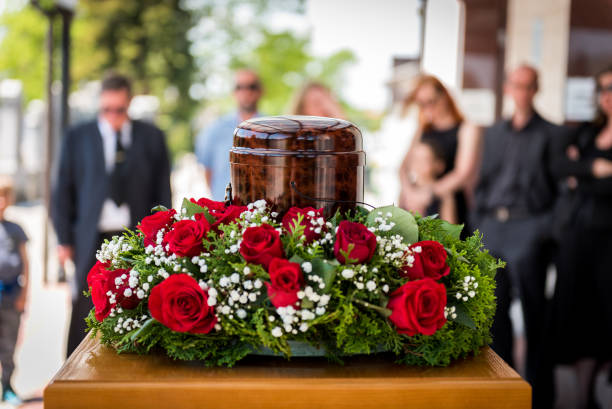
Kudlu Crematorium Families across India handle these dignified moments with a unique blend of communal togetherness and structured ritualism. Whether in quiet country settlements or dense metropolitan districts, the arrival of extended family and supportive neighbors forms the cornerstone of every ceremonial proceeding. These time-honored practices offer a meaningful space where loved ones share comfort, honor lived memories, and preserve personal accomplishments.
The Aesthetics of Preparation and Family Devotion
The White Procession: Community Solidarity in Motion
Cultural Feature
Material Used
Community Role
Dress Code
Simple White Cotton Garments
Represents purity, equality, and shared grief.
Carrying Litter
Handcrafted Local Bamboo
Shows natural elegance and traditional utility.
Floral Adornments
Marigolds and Jasmine
Conveys family devotion and visual honor.
Natural Essences
Cooling Sandalwood and Rose Essence
Provides sensory elegance and traditional purification.
Subcontinental Diversity in Farewell Customs
Hospitality, Remembrance, and Social Continuity
Final Reflections: Honor, Artistry, and Unity
Repatriation Services in India The farewell traditions of India present a masterclass of deep-seated hospitality, cultural elegance, and mutual care. By transforming a moment of farewell into a dignified celebration of cultural heritage, these traditions showcase the strength of human connection and collective support. Through beautiful floral arrangements, white-clad processions, regional artistry, and generous hospitality, this heritage celebrates the completed life of every member and keep their rich social fabric alive for years to come.